

Your Facility Was Priced for the Business You Were. Not the One You’ve Become.
Most business loan facilities are priced once, at drawdown, and rarely revisited. As the business improves, the pricing almost never moves with it, unless someone asks.
Most business loan facilities are priced once, at drawdown, and rarely revisited. As the business improves, the pricing almost never moves with it, unless someone asks.

A facility drawn down for one seasonal need that never quite returns to zero becomes permanent debt at short-term pricing. Here is how to reset it before the bank does.

Most owners plan a bolt-on acquisition down to the synergy story and treat the funding as an afterthought. The mix chosen, cash, bank debt or vendor finance, decides how much pressure the deal leaves behind.

Redraw, overdraft, a director’s loan or equity: most owners reach for whatever capital is closest to hand without ever comparing what each source actually costs to use.
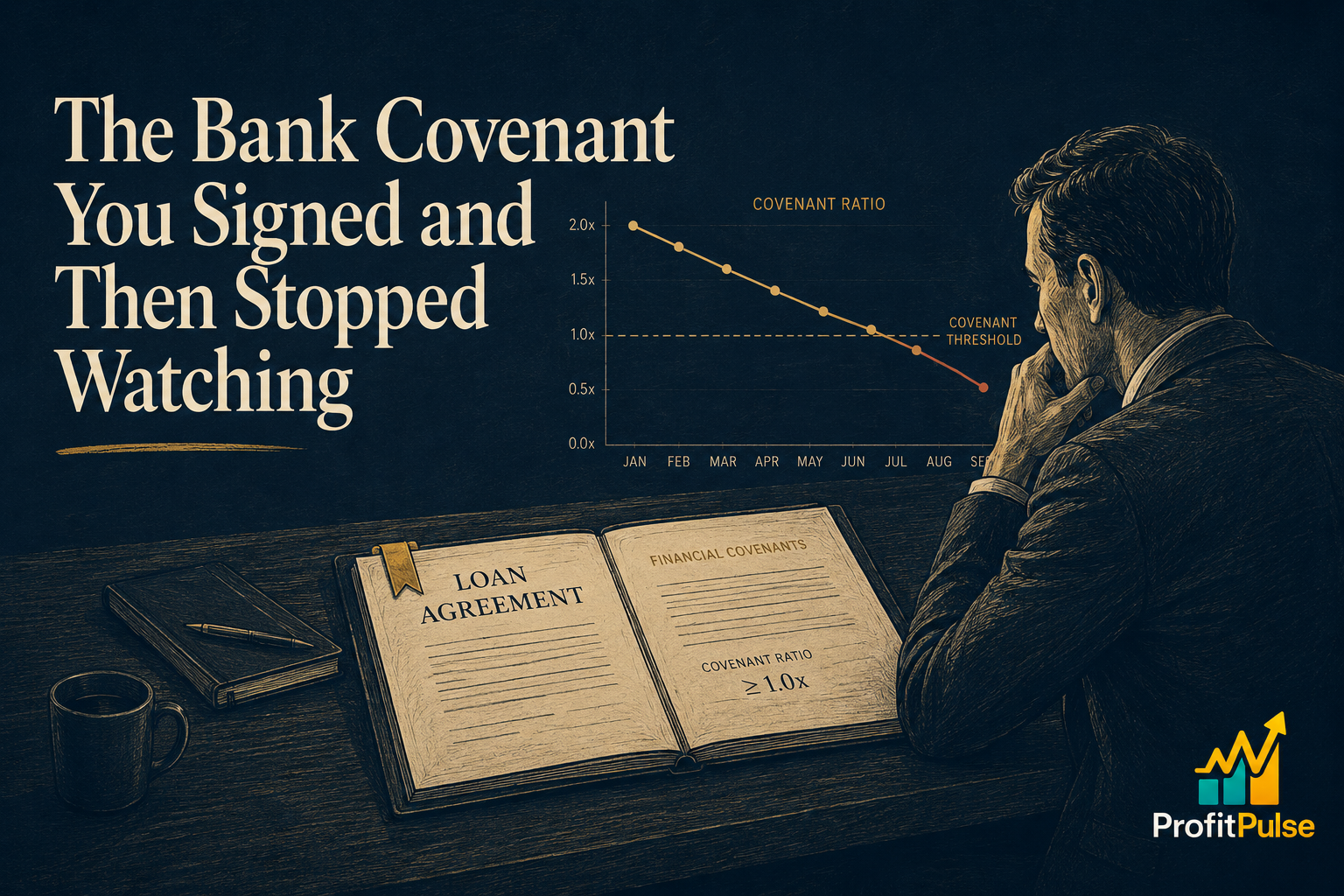
Loan approval isn’t the finish line. The covenants attached to it are tested every reporting period, and most owners only look at them again when something trips.

A strong profit result does not automatically mean a bank will lend. Here is the serviceability calculation lenders actually run, and how to check it yourself first.

A bank approving your loan only proves the repayments fit your cash flow. It says nothing about whether the investment behind it will earn back more than it costs.

Most personal guarantees are set once, when a business first borrows, and never revisited even as the balance sheet strengthens. Here is when that conversation is worth reopening, and why it matters at exit.

An overdraft is built for short-term timing gaps, not a new van or a bigger team. When growth gets funded on the wrong type of debt, the squeeze that follows looks like cash flow trouble. It usually isn’t.

FY26 has just closed and FY27 spending is already defaulting to last year’s pattern. Here is why the first week of a new financial year is the cleanest moment to review where capital actually goes.

A bank approving your loan only proves the repayments fit your cash flow. It says nothing about whether the investment behind it will earn back more than it costs.

Most owners decide how much to distribute at EOFY based on tax advice alone. The question of what the business needs on its balance sheet for FY27 is equally worth answering before June 30.

Most businesses seek capital when they need it urgently. That is the worst time for the conversation. July through September is when Australian SMEs are best positioned to raise capital, and here is why.

Your annual profit tells the ATO what you earned. Your balance sheet tells your bank what you can safely borrow. Most business owners focus on the first and miss the second entirely, every June.

The cleaner numbers EOFY produces are exactly what lenders and investors want to see, making early winter the right time to line up funding for the year ahead. Here is how to use them.

You built the product. You found the customers. You made the hard calls when no one else would. Then you raised capital.

Owners track the return on their effort but rarely on the capital tied up in stock, fit-out, equipment and marketing. How to review where capital sits against the return it earns, and where to redeploy it.

Investor readiness is mostly about evidence, that the business can tell a clear story backed by numbers that hold up, long before any pitch. Preparation starts from credibility.

Funding long-life assets with short-term facilities, or the reverse, quietly strains cash and raises cost. The fix is matching the term and type of finance to what it buys.

Lenders do not assess your business the way you do. They read serviceability, quality of earnings and consistency before headline profit. Knowing what they look for lets a funding conversation start from strength.

The planning energy of January is the right time to test whether a business is ready to raise, what instrument fits and what investors would pay, before momentum builds.
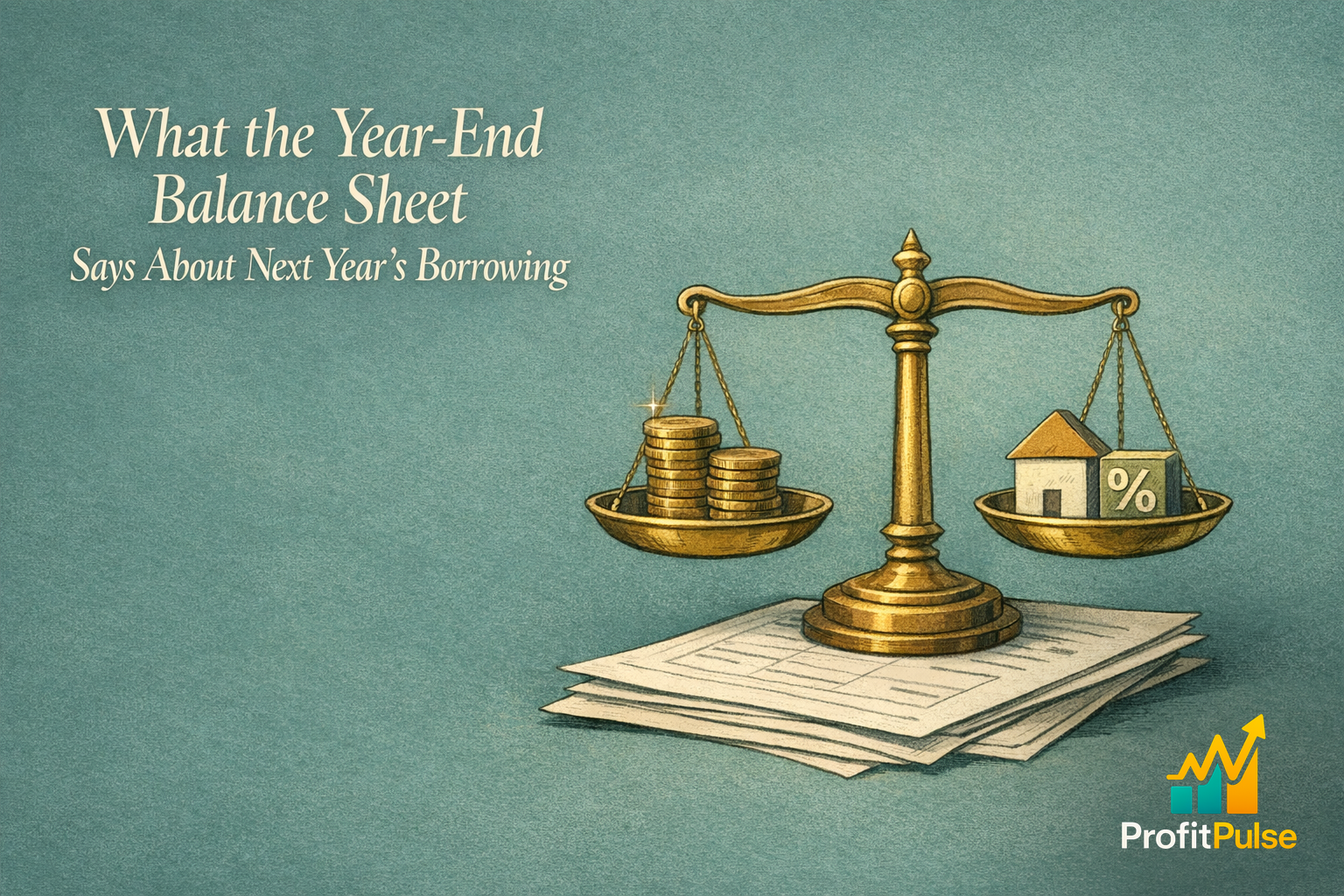
The balance sheet you carry into the new year shapes what you can borrow and on what terms, long before any application is made. Here is which year-end positions strengthen or weaken a future lending conversation.

The December lull and the January planning window both pull at refinance timing. Here is why the groundwork is best laid now, even if the deal itself lands later.

Reaching for equity is the most expensive way to fund a busy season if debt or better working capital terms would have done the job. Here is how to choose the right instrument first.
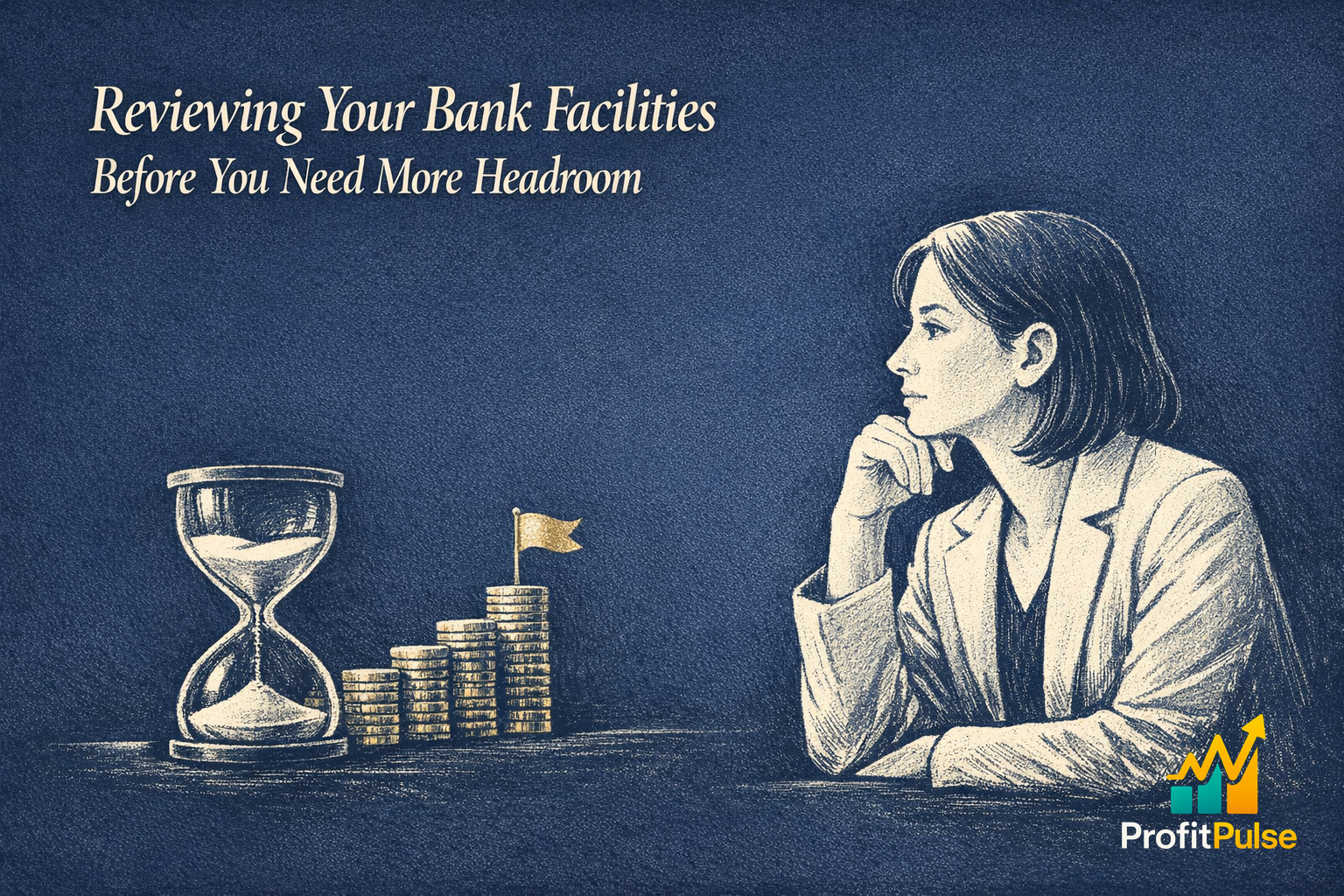
The calm of spring trading is the right moment to test your bank facilities and covenants, well before a December stock build forces a rushed overdraft conversation.