
The ProfitPulse blog
Practical thinking on profit, cash flow, valuation and capital for owner led Australian businesses. Browse every article below, or jump to a category or month.
Browse by category
Browse by month
- September 2026
- August 2026
- July 2026
- June 2026
- May 2026
- April 2026
- March 2026
- February 2026
- January 2026
- December 2025
- November 2025
- October 2025
All articles
-

Markup Is Not Margin: The Pricing Mix-Up Quietly Setting Your Prices Too Low
A 50 percent markup and a 50 percent margin are not the same number. The gap between them is quietly underpricing sales across owner-led businesses this trading season.
-

The R&D Refund Gap: Why a Biotech or Medtech Scaleup’s Runway Rarely Matches Its Burn Rate
For biotech and medtech scaleups, the R&D Tax Incentive refund lands months after the spend it offsets, quietly shortening the runway a board thinks the business actually has.
-

The Shutdown Fortnight: Why the Quietest Two Weeks of the Year Are Often the Most Expensive
For businesses that stop trading over Christmas, rent, loan repayments, subscriptions and leave payments keep moving regardless. Planning the cash for that gap needs to start in September, not in December.
-

The Ramp-Up Tax Every Business Pays Before Its Busiest Quarter
Wages climb before a new hire’s output does, and the margin dip that follows is one of the most predictable, and most misread, patterns in the lead-up to a business’s busiest trading quarter.
-

The One-Buyer Problem: Why a Single Interested Party Rarely Pays What Your Business Is Worth
An unsolicited offer feels like validation, but a business that talks to only one buyer almost always settles for less than one that creates genuine competing interest.
-

Your Facility Was Priced for the Business You Were. Not the One You’ve Become.
Most business loan facilities are priced once, at drawdown, and rarely revisited. As the business improves, the pricing almost never moves with it, unless someone asks.
-
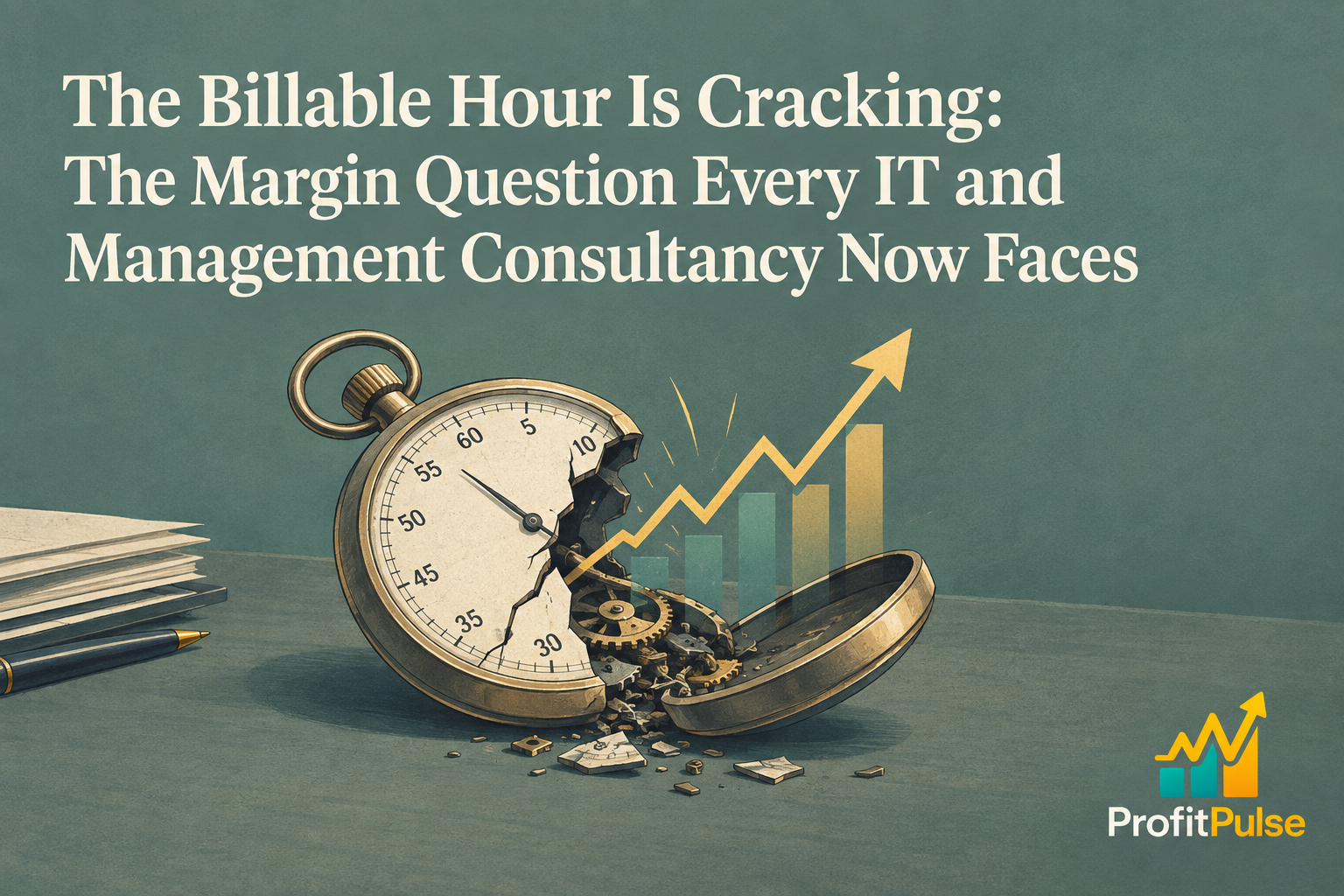
The Billable Hour Is Cracking: The Margin Question Every IT and Management Consultancy Now Faces
AI is quietly compressing the hours behind every consulting engagement while overheads stay fixed. The consultancies protecting margin are the ones repricing before the market forces it on them.
-

The Launch High: Why a Record Sales Week Doesn’t Always Mean a More Profitable Coaching Business
A record launch week can look like the best quarter yet, but ad spend, refund windows and affiliate payouts all settle weeks later. Here is why the headline number and the final margin rarely match.
-

The Tax Instalment That’s Still Priced for Last Year’s Business
PAYG instalments are calculated from your last assessed tax return, not this year’s trading. When a business speeds up or slows down, that lag turns from paperwork into a real cash flow event.
-

The Waitlist Illusion: Why a Fully Booked Psychology Practice Doesn’t Always Mean a Growing One
A longer waitlist looks like growth, but a psychology practice’s revenue is capped by clinician hours and Medicare session limits, not client demand. Here is why the two numbers diverge.
-
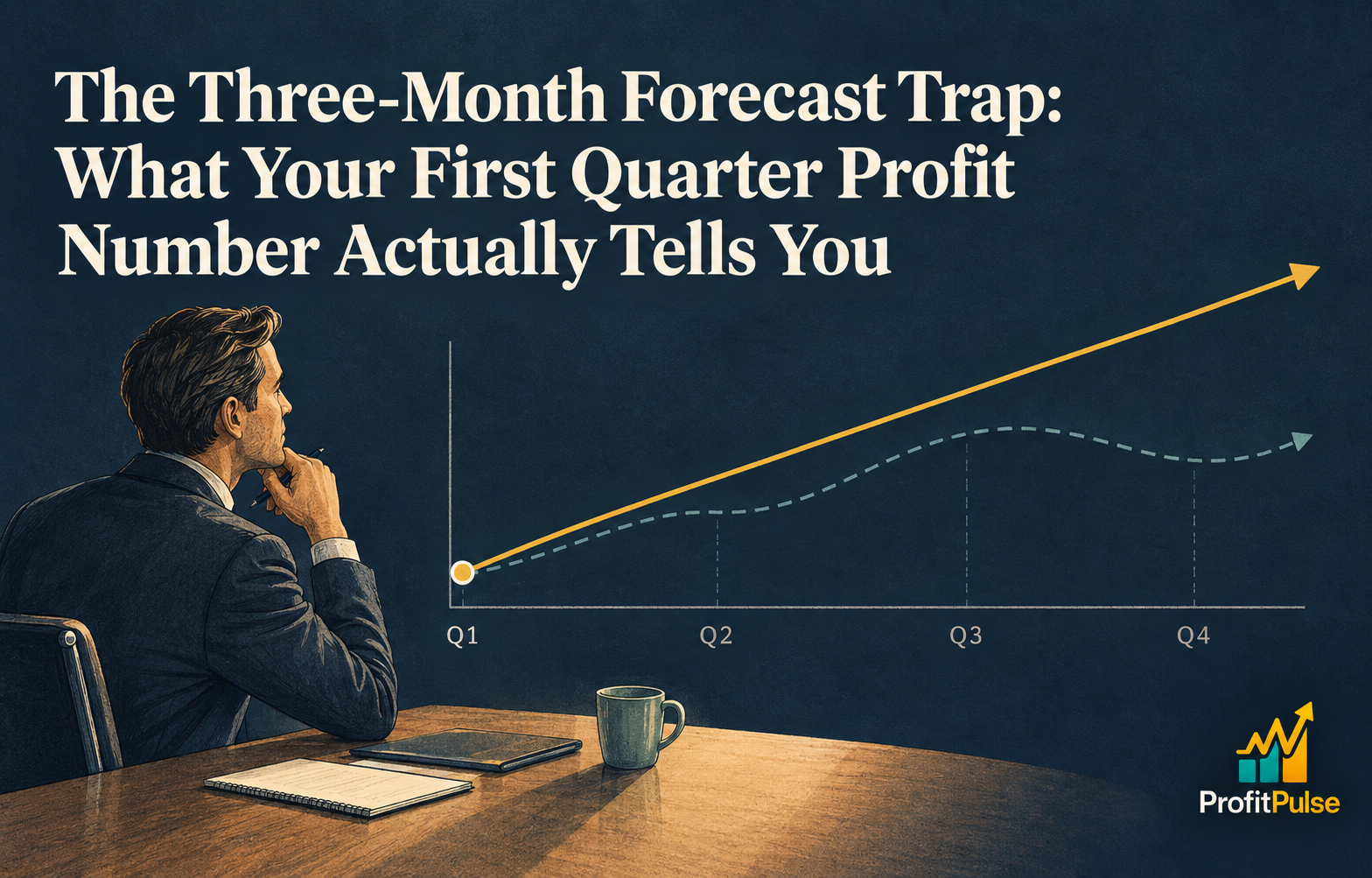
The Three-Month Forecast Trap: What Your First Quarter Profit Number Actually Tells You
Three months into FY27, multiplying your quarterly profit by four feels like a forecast. It isn’t. Here’s what your Q1 number is actually telling you, and what it can’t.
-

The Ceiling on Fractional: When a Growing Business Needs a Full-Time CFO
A fractional CFO is built to scale with a business, not to cap it. Here is the pattern that shows up when the arrangement has reached its natural ceiling and a full-time hire is the right next move.
-

The First Document Request: What It Reveals About Your Business Before Price Ever Comes Up
Before price is ever discussed, a buyer sends a document request. How cleanly and quickly a business can answer it quietly sets the tone for the whole sale that follows.
-

The 60-Day Wait: Why a Major Retail Listing Can Leave a Food Producer Short on Cash
A major supermarket listing looks like the growth win every food producer chases. The payment terms behind it can quietly starve the production run meant to fund it.
-

The Enrolment Lock-In: Why Private Schools Commit to Next Year’s Payroll Before Next Year’s Fees Are Confirmed
Private schools lock in next year’s staffing costs in spring, months before enrolment and fee revenue are confirmed. Here is how that timing gap actually works, and how to forecast through it rather than be caught by it.
-

The Overdraft That Never Goes Back to Zero
A facility drawn down for one seasonal need that never quite returns to zero becomes permanent debt at short-term pricing. Here is how to reset it before the bank does.
-

The September Decision That Sets Up Your Christmas Cash Flow
Stock, staffing and marketing spend for the Christmas trading peak goes out the door in September and October, months before the revenue lands. Funding that gap starts now, not in November.
-

The Margin Erosion That Started in July and Is Only Showing Up Now
Revenue looks fine this September, but margin is a notch lower and nothing obvious went wrong this month. Usually the real cause is two months old and sitting back in July.
-

The Spring Listing Surge: Why Real Estate Agencies Feel Busiest When Cash Is Tightest
Spring brings real estate agencies their busiest listing run of the year, but commission lags weeks behind the marketing spend that wins it. Here is why the gap catches even strong agencies off guard.
-

The Valuation Gap: Why the Number in Your Head Rarely Matches the Number on Paper
Most owners carry a figure in their head for what the business is worth. A formal valuation often lands somewhere else entirely, and the size of that gap says more than either number alone.
-
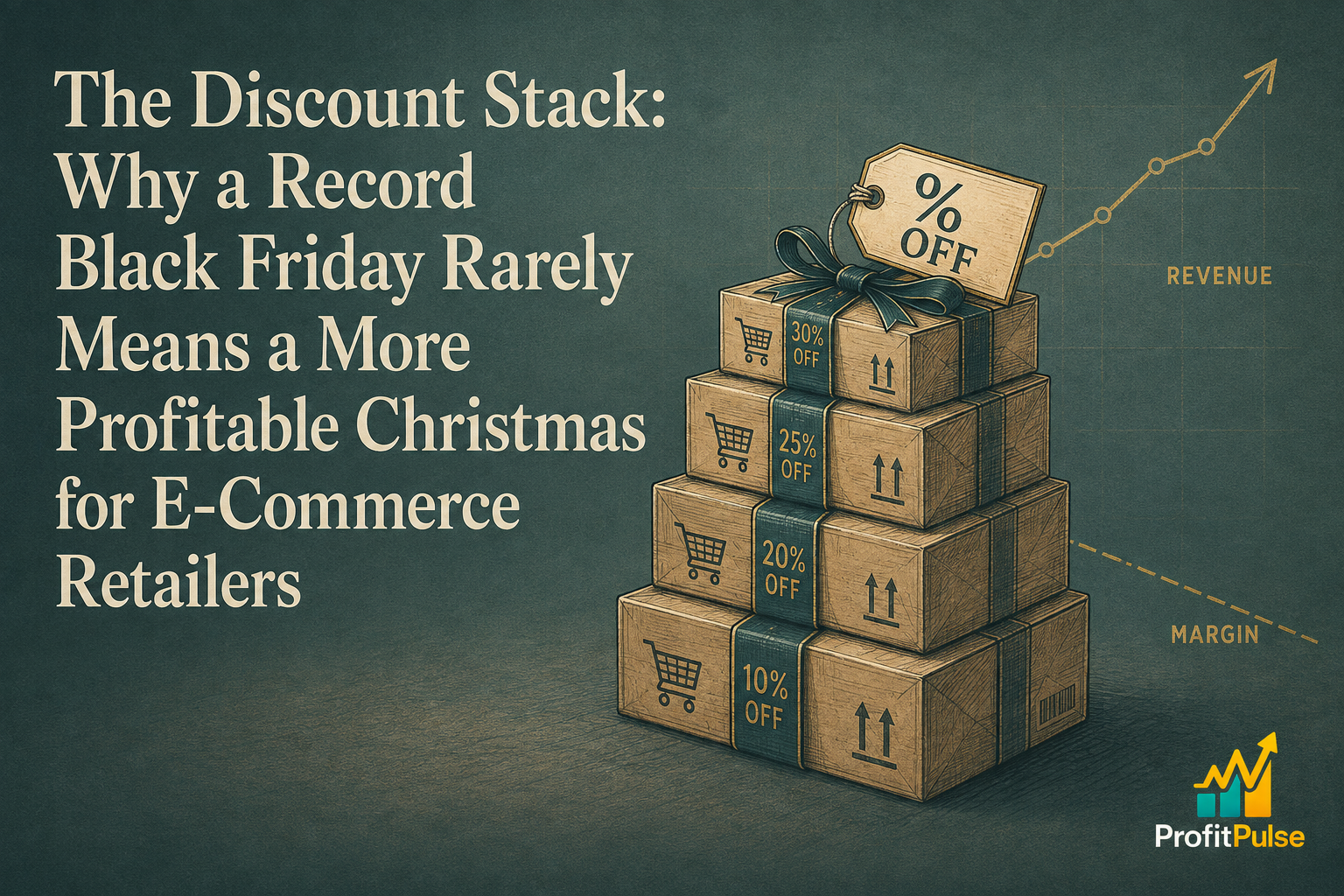
The Discount Stack: Why a Record Black Friday Rarely Means a More Profitable Christmas for E-Commerce Retailers
Australian e-commerce retailers are already locking in Black Friday and Christmas trading plans. Revenue targets look strong. The margin underneath them is rarely tested before the sale goes live.
-

The Licence Ceiling: Why a Trade Business Stops Growing at the Owner’s Calendar
Tradies National Health Month puts the toll of always being on the tools in the spotlight. The commercial pattern behind that toll is a business that cannot run a day without its owner.
-

The Acquisition Is the Easy Part. Financing It Without Straining the Rest of the Business Isn’t.
Most owners plan a bolt-on acquisition down to the synergy story and treat the funding as an afterthought. The mix chosen, cash, bank debt or vendor finance, decides how much pressure the deal leaves behind.
-
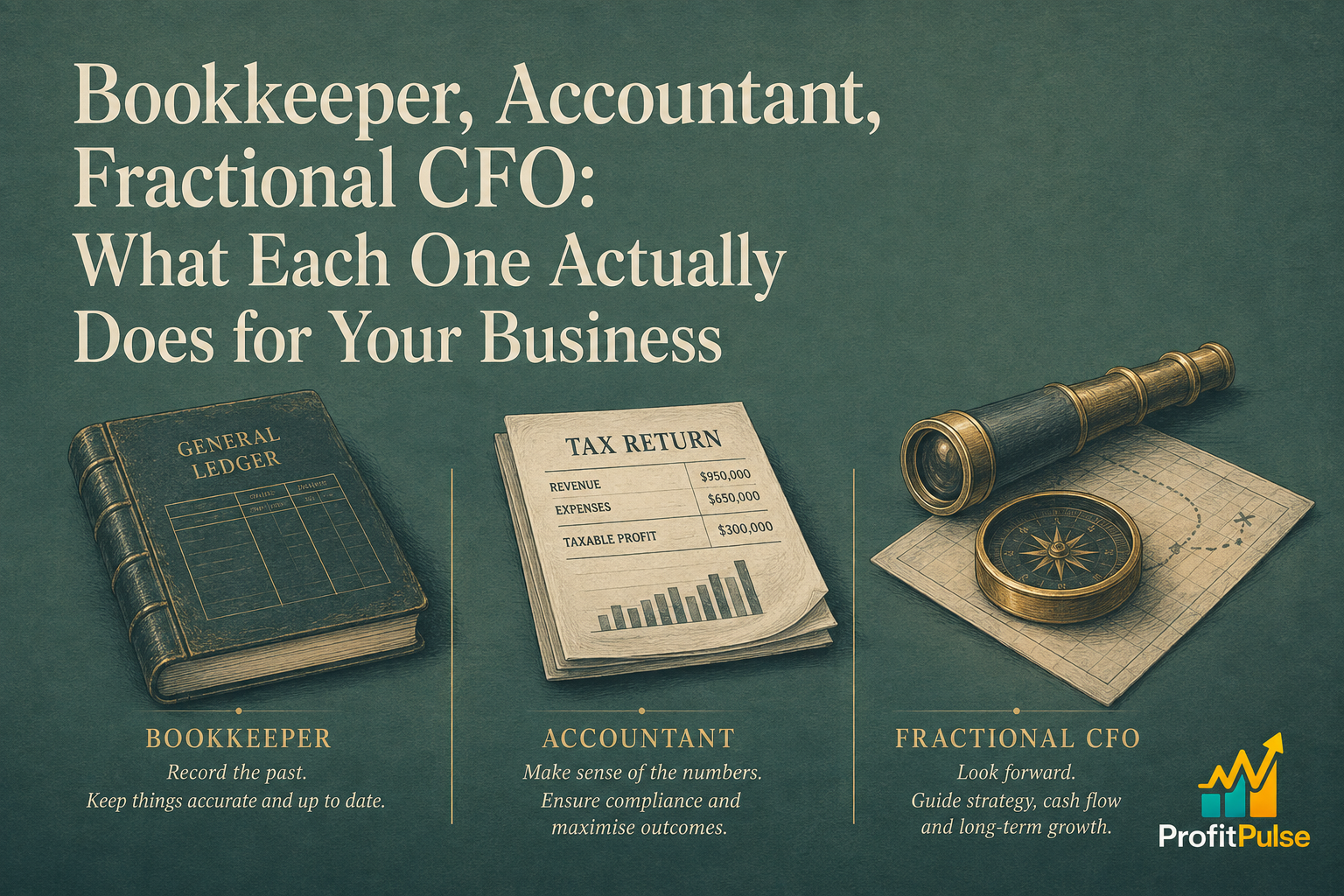
Bookkeeper, Accountant, Fractional CFO: What Each One Actually Does for Your Business
You already pay a bookkeeper and an accountant, so a fractional CFO can sound redundant. In practice, all three roles answer completely different questions on very different timeframes.
-

The Wage You Don’t Pay Yourself Is Quietly Inflating Your Profit Number
Many owner-led P&Ls look healthy partly because the owner is paid well under market rate for the role. Here is what that gap hides, and why it changes pricing, hiring and growth decisions.
-

The Cash Flow Forecast That’s Already Wrong by August
Most owner-led businesses build one cash flow forecast a year, usually at EOFY, then stop looking at it. Two months on, the numbers rarely still hold, and that’s a discipline gap, not a bad forecast.
-

The Restraint of Trade Clause That Decides What You Can Do the Day After You Sell
Sale contracts are negotiated around the multiple, but the restraint of trade clause is the part that actually reaches into life after settlement, and few owners read it that closely.
-

The Reinvestment Blind Spot: Why a Not-for-Profit’s Commercial Arm Rarely Keeps What It Earns
World Humanitarian Day is a reminder how many NFPs now run a genuine trading arm. The pattern we see is not that it loses money. It is that the surplus never stays.
-

The Off-Season Cliff: Why a Sporting Club’s Best Month on the Field Is Its Riskiest Month in the Bank
Finals month gives a suburban sporting club or academy its healthiest bank balance of the year. The pattern we typically see is that balance needs to last six months, not six weeks.
-

The Real Cost of Growth Capital: Why the Easiest Money Isn’t the Cheapest
Redraw, overdraft, a director’s loan or equity: most owners reach for whatever capital is closest to hand without ever comparing what each source actually costs to use.
-
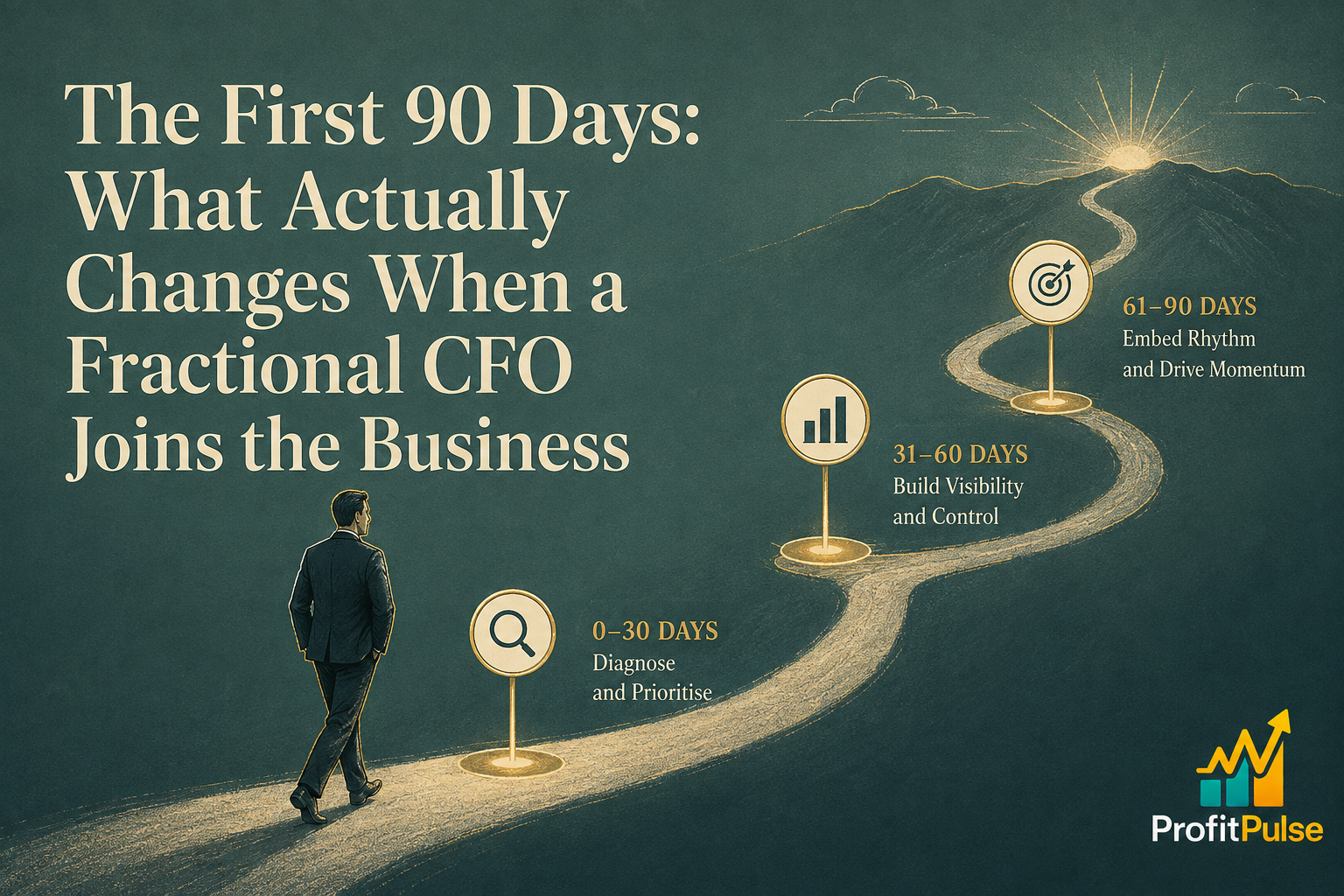
The First 90 Days: What Actually Changes When a Fractional CFO Joins the Business
Most owners expect instant answers in week one. What actually shows up across the first ninety days is a steadier build, from understanding to visibility to a rhythm that sticks.
-

Your Blended Margin Looks Healthy. Some of What You Sell Is Quietly Losing Money.
A blended gross margin can hold steady for months while individual product or service lines move in opposite directions underneath it. Here’s how that averaging hides real drift.
-
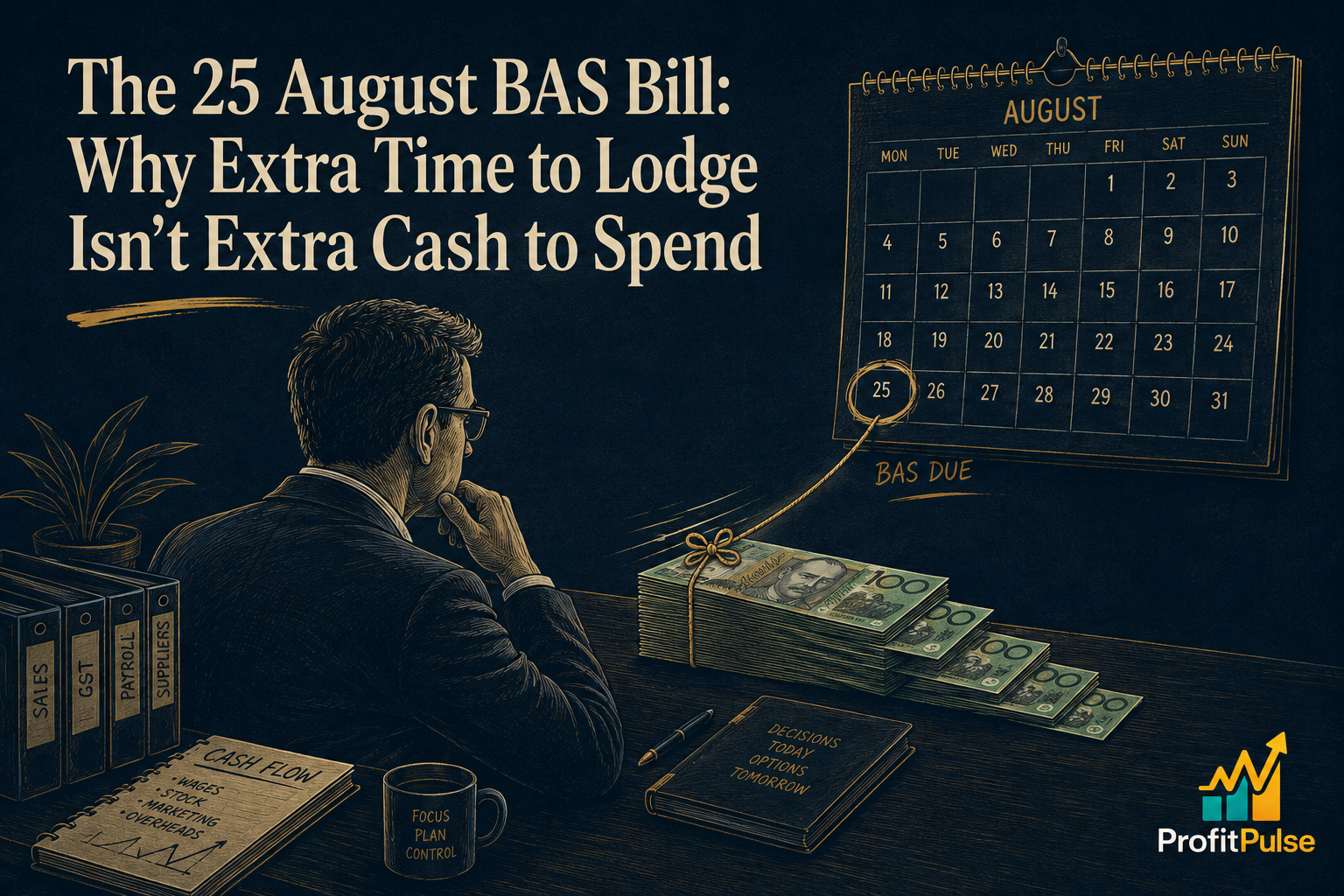
The 25 August BAS Bill: Why Extra Time to Lodge Isn’t Extra Cash to Spend
Businesses that lodge BAS through a registered agent get until 25 August to pay the April to June quarter. That extra time is not extra cash, and treating it as such is where the surprise starts.
-

Last Year’s Profit Sets the Floor. Your Growth Story Sets the Multiple.
Two businesses with identical profit can sell for very different multiples. The gap almost always comes down to whether a buyer believes the growth story, not last year’s numbers.
-

The Funded Completion Lag: Why Growing Enrolments Doesn’t Mean Growing Cash for RTOs
Government-funded training contracts pay on completion, not enrolment. For growing RTOs across Queensland, NSW and Victoria, that timing gap is the real driver of the cash squeeze, not the enrolment numbers.
-

The Double Bind: Why Wholesale Distributors Run Short on Cash Right Before Their Biggest Quarter
For wholesale and distribution businesses, the August Christmas stock build and stretched customer payment terms land in the same window, and most owners only notice the squeeze once the bank balance says so.
-

The Bank Covenant You Signed and Then Stopped Watching
Loan approval isn’t the finish line. The covenants attached to it are tested every reporting period, and most owners only look at them again when something trips.
-

More Than Revenue: What Actually Decides the Right Level of Fractional CFO Support
Owners usually size a fractional CFO engagement by revenue. The pattern we see is that the real driver is how many live decisions the business is making, not how big it is.
-

The Step-Cost Blind Spot: Why Growth Alone Doesn’t Lift Your Margin
A step cost jumps once, when a vehicle, a shift or a bigger lease crosses a threshold. Revenue growth doesn’t always catch up as fast as owners expect, and the margin percentage hides it.
-

The Cash Buffer Number Most Owner-Led Businesses Have Never Actually Calculated
Most owners can name a cash balance that feels safe, but few have ever calculated it. Guessing in either direction has a real cost, and the right number is rarely the generic rule of thumb.
-

The Warranty and Indemnity Clause That Keeps the Sale Open Long After Settlement Day
Settlement day feels like the finish line of a business sale, but the warranty clauses buried in most sale contracts can reopen the deal, and your bank balance, months later.
-

The Mobilisation Gap: What a New Mining Services Contract Costs Before the First Invoice Lands
Winning a new mining services contract is the best news a contractor gets all year, but the mobilisation costs due before the first invoice can make it the tightest month the business has.
-

The Winter Trading Slump That’s Quietly Eating Hospitality Margins
Winter trade drops for hospitality businesses across Australia, but profit often falls twice as fast. Here is why the margin gap opens, and what owners can fix before spring trade returns.
-

The Serviceability Test Your Bank Runs Before They Say Yes to More Debt
A strong profit result does not automatically mean a bank will lend. Here is the serviceability calculation lenders actually run, and how to check it yourself first.
-

The Marginal Job Trap: Why the Next Sale Isn’t Always as Profitable as the Last One
Revenue climbing again after EOFY feels like good news, but the next job on the calendar can quietly cost more to deliver than the last one did. Here is how to check before you say yes.
-

Between the Monthly Meetings: What a Fractional CFO Actually Does
Most owners judge a fractional CFO by the monthly meeting. The real work, and the real value, happens in the weeks in between. Here is what actually fills that gap.
-

The August Reset: Why Debtor Days Creep Back Up Once the EOFY Push Fades
The collections push that tightened cash before 30 June rarely survives August. Here is why debtor days quietly climb again once EOFY urgency fades, and what stops it happening every year.
-

Why Growing MRR Doesn’t Always Mean a More Profitable SaaS Business
Monthly recurring revenue can climb for quarters while gross margin quietly slides underneath it. Here is where the margin actually leaks in a growing Australian SaaS business.
-

The August Reset: Why Debtor Days Creep Back Up Once the EOFY Push Fades
The collections push that tightened cash before 30 June rarely survives August. Here is why debtor days quietly climb again once EOFY urgency fades, and what stops it happening every year.
-

The August Stock Order That Locks In an Importer’s Christmas Margin
Christmas stock orders go out in August, and the exchange rate, freight cost and duty locked in this month decide an importer’s margin long before December trading begins.
-

The Client Transfer Test: What Actually Decides What a Law or Accounting Practice Is Worth
Two practices with identical billings can sell for very different prices. In our experience, the gap usually comes down to one test: what happens to the clients when the partner steps back.
-

The Earnout Clause That Turns Your Sale Price Into a Bet You Don’t Control
A growing share of Australian business sales now include an earnout. Here is what that deferred payment quietly costs owners in control, timing and certainty once the contract is signed.
-

The Complexity Tax: Why More Product Lines Rarely Means More Profit
Adding a new product, service or package tier always feels like growth. Often it is just complexity, and complexity has a cost that never shows up on its own line.
-

The Return Test Every New Debt Facility Should Pass Before You Sign
A bank approving your loan only proves the repayments fit your cash flow. It says nothing about whether the investment behind it will earn back more than it costs.
-

The Cash Flow Question Your Bank Balance Can’t Answer
A healthy bank balance feels like reassurance, but it only shows one moment in time. It says nothing about the BAS, super or supplier payments already due to land in the weeks after you checked it.
-

The Cost-of-Production Number That Decides Whether Your Harvest Was Actually Profitable
Yield and grain price get all the attention, but the number that actually decides whether a season was profitable is cost of production, and most producers have never sat down and worked it out.
-

The Attendance Gap: Why a Full Membership Book Doesn’t Mean a Profitable Winter for Fitness Studios
Membership revenue in a fitness studio can stay steady through winter while real attendance quietly drops away, and that gap is where the next cancellation wave and margin loss begin.
-

The Working Capital Clause That Can Change Your Sale Price After You’ve Signed
A sale price agreed at signing is not always the price that lands in the owner’s account at completion. A working capital clause in the contract can move it, often unnoticed until it already has.
-

The One-Off Discount That Quietly Became Your New Price
A discount handed out once to keep a customer happy rarely stays a one-off. Here is how small, undocumented concessions quietly reset your pricing and erode margin all year.
-

The Books Just Closed for EOFY. The Half-Year Conversation Hasn’t Started.
EOFY closes the books on FY26, but for most owner-led businesses the numbers stop there. Here is the half-year conversation that should follow, and why it rarely happens without someone owning it.
-

The Personal Guarantee Conversation Most Business Owners Never Think to Reopen
Most personal guarantees are set once, when a business first borrows, and never revisited even as the balance sheet strengthens. Here is when that conversation is worth reopening, and why it matters at exit.
-

The Cash in Your Account That Was Never Actually Yours
Every business collects GST on sales and withholds tax and super from wages before it is remitted. Until it leaves the account, that money sits there looking exactly like available cash.
-

The Group Average That’s Hiding Your Best and Worst Franchise Site
A consolidated P&L can make a five-site franchise group look healthy while one location quietly breaks even for years. New financial year budgeting is the moment to see each site for what it actually is.
-

The Absorption Gap: Why Manufacturing Margins Compress When Production Volume Slows
A quiet July production run does not show up as a cost blowout on the P&L. It shows up as a margin that quietly compresses while the standard cost sheet insists nothing has changed.
-

Same Revenue, Different Price: The Revenue Quality Test Buyers Run Before They Talk Multiple
Two businesses with identical revenue and profit can attract very different offers. The gap usually sits in revenue quality, and it is one of the first things a buyer’s due diligence team checks.
-

Your Books Are Accurate. That’s Not the Same as Decision-Ready.
Accurate books and decision-ready numbers are not the same thing. Most owner-led businesses only notice the gap once a decision goes wrong and the reason turns out to be information, not judgement.
-

Why Your Margin Falls in a Quiet Month Even Though Nothing Went Wrong
Revenue softens for a few weeks and gross margin still looks fine on paper, yet net profit quietly falls. The reason sits in your fixed costs, not your pricing.
-

The Financing Mismatch That Turns Growth Into a Permanent Cash Squeeze
An overdraft is built for short-term timing gaps, not a new van or a bigger team. When growth gets funded on the wrong type of debt, the squeeze that follows looks like cash flow trouble. It usually isn’t.
-

The July Renewal Pile-Up: The Cash Flow Squeeze Most Australian SMEs Don’t See Coming
Insurance, subscriptions, memberships and the June BAS payment all reset around 1 July. Individually manageable, together they create a cash squeeze most owner-led businesses never see coming.
-

The Rent Roll Multiple: What Actually Determines What a Real Estate Agency Is Worth
Sales commission looks like growth on the P&L, but property management fee income is what buyers actually pay a multiple for. Here is what the rent roll number is really telling you.
-

The EBITDA Number You Report and the One a Buyer Actually Pays For
The profit figure on your management accounts and the earnings figure a buyer applies a multiple to are rarely the same number. Understanding the gap before a sale process starts changes what you can defend.
-
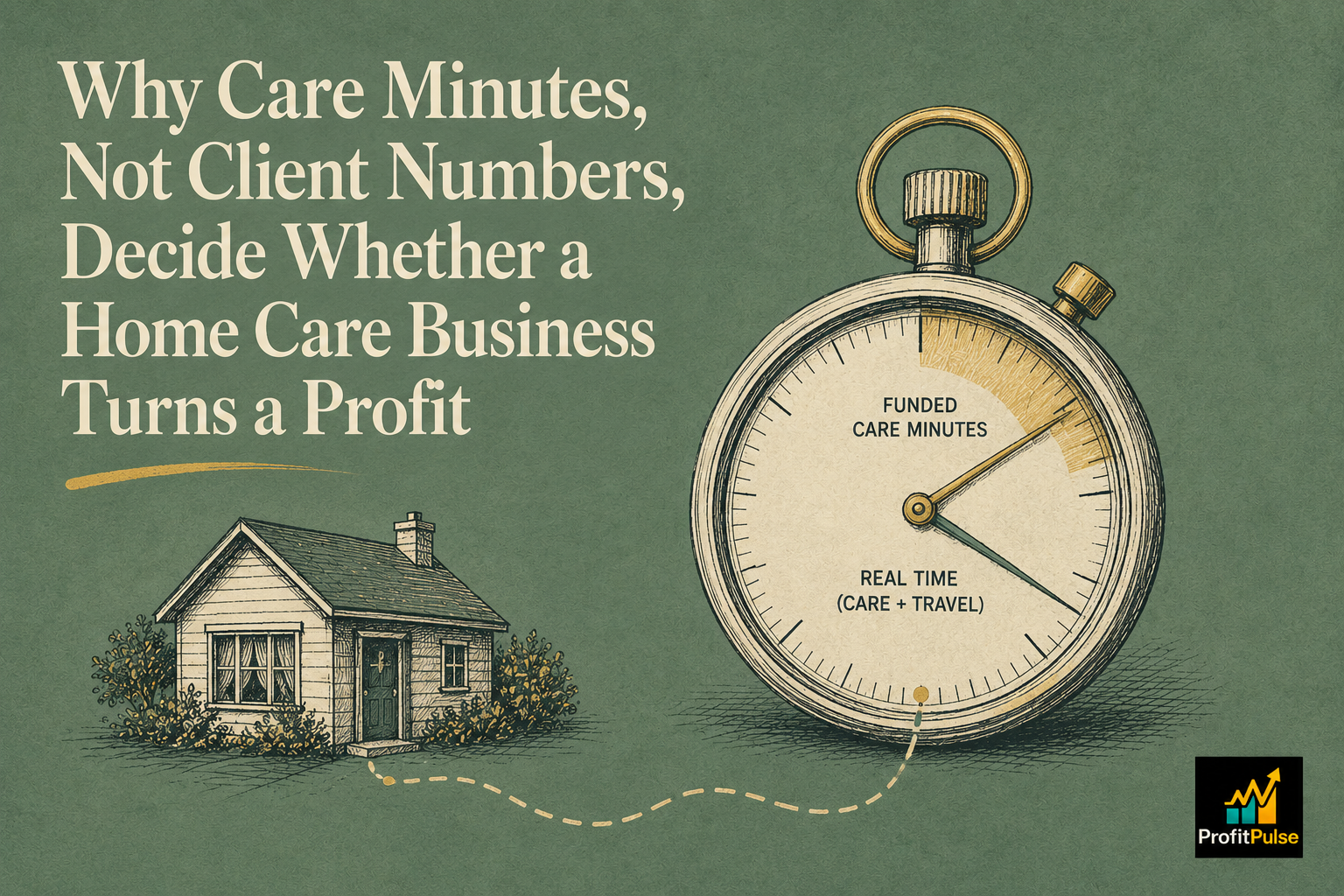
Why Care Minutes, Not Client Numbers, Decide Whether a Home Care Business Turns a Profit
Home care and aged care providers usually track client numbers as the sign of growth. The number that actually decides profit is how many care minutes each client consumes against what funding covers.
-

The Two Ledgers Every Indigenous Owned Enterprise and Social Enterprise Runs, and Why Only One Is Actually Profit
Grant funding and trading income sitting inside one P&L can make an Indigenous-owned enterprise or social enterprise look profitable while its commercial arm is quietly being carried by money meant for something else.
-

New Financial Year, Same Spending Pattern: The Capital Allocation Reset Most Owners Skip
FY26 has just closed and FY27 spending is already defaulting to last year’s pattern. Here is why the first week of a new financial year is the cleanest moment to review where capital actually goes.
-

The Return Test Every New Piece of Debt Should Pass Before You Sign
A bank approving your loan only proves the repayments fit your cash flow. It says nothing about whether the investment behind it will earn back more than it costs.
-

The Break-Even Number That Quietly Changed on July 1
Award wage reviews, insurance renewals and rent increases all land around 1 July, quietly shifting your break-even revenue while pricing stays exactly where it was last June.
-

Profitable and Cash-Tight: The Working Capital Pattern That Growth Always Creates
A growing, profitable business often has a tighter bank account than its owners expect. The reason is mechanical: revenue growth requires working capital upfront, before the cash arrives.
-

The Billable Hour Gap Most Allied Health Practices Have Never Measured
A full appointment book doesn’t guarantee strong clinic profitability. The number that actually explains your practice’s margin is the billable ratio, and most practice owners have never calculated it.
-

The Realisation Rate Most Queensland Engineering and Architecture Firms Have Never Measured
Utilisation tells you how busy the team is. Realisation tells you how much of that work actually becomes revenue. For most Queensland engineering and architecture firms, the second number remains unmeasured.
-

The Customer Concentration Problem Buyers Find Before You Do
When buyers map your client list against revenue, any name appearing too often changes the offer before negotiations begin. Customer concentration is measurable from inside the business. Most owners haven’t looked yet.
-

The Payroll to Revenue Ratio Most Australian SMEs Have Never Calculated
The FWC wage increase has moved your payroll cost from July 1. Whether it compresses your margin or gets recovered depends on a ratio most owners track as a dollar amount rather than a percentage.
-

Why July’s P&L Is the Most Important One You’ll Pull All Year
July’s first P&L shows whether the budget’s assumptions held when the year hit reality. Reading it in July, while room to respond still exists, is what separates businesses that manage the year from ones that report it.
-

The FY27 Financial Architecture Most Owner Led Businesses Build Too Late
July 1 opens a fresh financial year for every Australian SME. Most owner-led businesses start it without a budget, a cash forecast, or a monthly reporting rhythm. That setup happens later, or not at all.
-

Before You Roll Into FY27: The Commercial Debrief Most Owner Led Businesses Skip
June 30 closes the books on FY26. Your accountant handles the compliance layer. This post is about the commercial review that sits alongside it and why the timing matters.
-

What Every Retail Stocktake Reveals About the Year’s Actual Margin
For bricks-and-mortar retailers, the June 30 stocktake is a compliance exercise. But it produces the one calculation that shows what every clearance and markdown actually cost across the year.
-

The Payor Mix Question Every Allied Health Practice Faces at EOFY
The June booking surge in physio, psychology, and OT practices looks strong on paper. But the revenue total hides which billing streams drove the margin, and what that picture means for next year’s decisions.
-

How Much Profit to Keep in the Business at EOFY: The Question Most Owners Skip
Most owners decide how much to distribute at EOFY based on tax advice alone. The question of what the business needs on its balance sheet for FY27 is equally worth answering before June 30.
-

Customer Concentration: The Exit Discount Most Business Owners Don’t See Coming
When buyers examine an Australian business for sale, customer concentration is one of the first risks they price into the offer. Here is what that calculation looks like and how to change the outcome.
-

The Five Per Cent Price Test Every Australian SME Owner Should Run Before July
Most owners have a rough sense of what a price increase would do. Very few have run the exact arithmetic. The calculation for a $2m to $10m business often produces a number that changes how the new year gets planned.
-

What the Q4 Superannuation Due Date Adds to Your July Cash Picture
Most businesses plan their June 30 cash position carefully. Fewer have calculated what the Q4 superannuation guarantee adds to their July obligations before the payment date arrives on 28 July.
-

Revenue Isn’t the Threshold: When an Australian SME Is Ready for a Fractional CFO
Most business owners who eventually engage a fractional CFO say they waited too long. The hesitation is usually about revenue size, but the real triggers look quite different and arrive earlier than expected.
-

The Two Margins Every Queensland Café and Restaurant Owner Needs to Know Before July 1
June fills the booking sheet, but a full venue and a profitable one are different things. For Queensland cafés and restaurants, food cost and labour percentage tell the real story before July arrives.
-

What Buyers Find in Due Diligence When Sellers Haven’t Prepared
Most business owners only think about due diligence when a buyer asks for the documents. By then, the scramble has already shifted the negotiating balance toward the buyer.
-

The Owner-Dependency Discount: What Buyers Price In Before They Make You an Offer
When buyers look at a profitable SME and offer less than the owner expected, owner dependency is often the reason. Here’s what they’re pricing in, and how to change it before you sell.
-

The Year-Ahead Profit Plan Most Owner-Led Businesses Never Build
Most owner-led businesses close June 30 knowing what the year delivered. Far fewer enter July with a clear profit target and the cost structure to support it for the twelve months ahead.
-

The Cash Flow Calculation Hidden in Your Debtors Ledger
Most business owners know they have outstanding invoices. Fewer have calculated how many days it takes for those invoices to become cash, and what shortening that period would release back into their account.
-

The Right Time to Raise Capital for an Australian SME Is Not When You Need It
Most businesses seek capital when they need it urgently. That is the worst time for the conversation. July through September is when Australian SMEs are best positioned to raise capital, and here is why.
-

Which Revenue Stream Is Actually Carrying Your Veterinary Practice?
A vet practice earns from consultations, dispensing, surgery, and diagnostics. Each has a different margin profile. Most principals don’t know which one is carrying the business until EOFY makes the picture clear.
-

The July Cash Gap That Catches NDIS Providers Every Year
Every July, NDIS providers absorb a wage increase before new pricing reaches active participant plans. The margin gap is predictable and the timing is fixed. Planning for it before June 30 changes how the new year starts.
-

What Buyers See When They Value a Building Business
Construction businesses often have strong revenue and solid profit. But the number a buyer arrives at consistently surprises owners who have not understood how WIP, retentions, and dependence affect the multiple.
Ready to go further? See how a fractional CFO partnership works alongside your team, find out what a business valuation involves, weigh up your timing with exit readiness, or read the in depth insights guides, or benchmark your numbers with the free benchmarking tools for owner led businesses. When you want to talk it through, book a discovery call.