

Markup Is Not Margin: The Pricing Mix-Up Quietly Setting Your Prices Too Low
A 50 percent markup and a 50 percent margin are not the same number. The gap between them is quietly underpricing sales across owner-led businesses this trading season.
A 50 percent markup and a 50 percent margin are not the same number. The gap between them is quietly underpricing sales across owner-led businesses this trading season.

For biotech and medtech scaleups, the R&D Tax Incentive refund lands months after the spend it offsets, quietly shortening the runway a board thinks the business actually has.

For businesses that stop trading over Christmas, rent, loan repayments, subscriptions and leave payments keep moving regardless. Planning the cash for that gap needs to start in September, not in December.

Wages climb before a new hire’s output does, and the margin dip that follows is one of the most predictable, and most misread, patterns in the lead-up to a business’s busiest trading quarter.

An unsolicited offer feels like validation, but a business that talks to only one buyer almost always settles for less than one that creates genuine competing interest.

Most business loan facilities are priced once, at drawdown, and rarely revisited. As the business improves, the pricing almost never moves with it, unless someone asks.

AI is quietly compressing the hours behind every consulting engagement while overheads stay fixed. The consultancies protecting margin are the ones repricing before the market forces it on them.

A record launch week can look like the best quarter yet, but ad spend, refund windows and affiliate payouts all settle weeks later. Here is why the headline number and the final margin rarely match.

PAYG instalments are calculated from your last assessed tax return, not this year’s trading. When a business speeds up or slows down, that lag turns from paperwork into a real cash flow event.

A longer waitlist looks like growth, but a psychology practice’s revenue is capped by clinician hours and Medicare session limits, not client demand. Here is why the two numbers diverge.

Three months into FY27, multiplying your quarterly profit by four feels like a forecast. It isn’t. Here’s what your Q1 number is actually telling you, and what it can’t.

A fractional CFO is built to scale with a business, not to cap it. Here is the pattern that shows up when the arrangement has reached its natural ceiling and a full-time hire is the right next move.

Before price is ever discussed, a buyer sends a document request. How cleanly and quickly a business can answer it quietly sets the tone for the whole sale that follows.

A major supermarket listing looks like the growth win every food producer chases. The payment terms behind it can quietly starve the production run meant to fund it.

Private schools lock in next year’s staffing costs in spring, months before enrolment and fee revenue are confirmed. Here is how that timing gap actually works, and how to forecast through it rather than be caught by it.

A facility drawn down for one seasonal need that never quite returns to zero becomes permanent debt at short-term pricing. Here is how to reset it before the bank does.

Stock, staffing and marketing spend for the Christmas trading peak goes out the door in September and October, months before the revenue lands. Funding that gap starts now, not in November.

Revenue looks fine this September, but margin is a notch lower and nothing obvious went wrong this month. Usually the real cause is two months old and sitting back in July.

Spring brings real estate agencies their busiest listing run of the year, but commission lags weeks behind the marketing spend that wins it. Here is why the gap catches even strong agencies off guard.

Most owners carry a figure in their head for what the business is worth. A formal valuation often lands somewhere else entirely, and the size of that gap says more than either number alone.
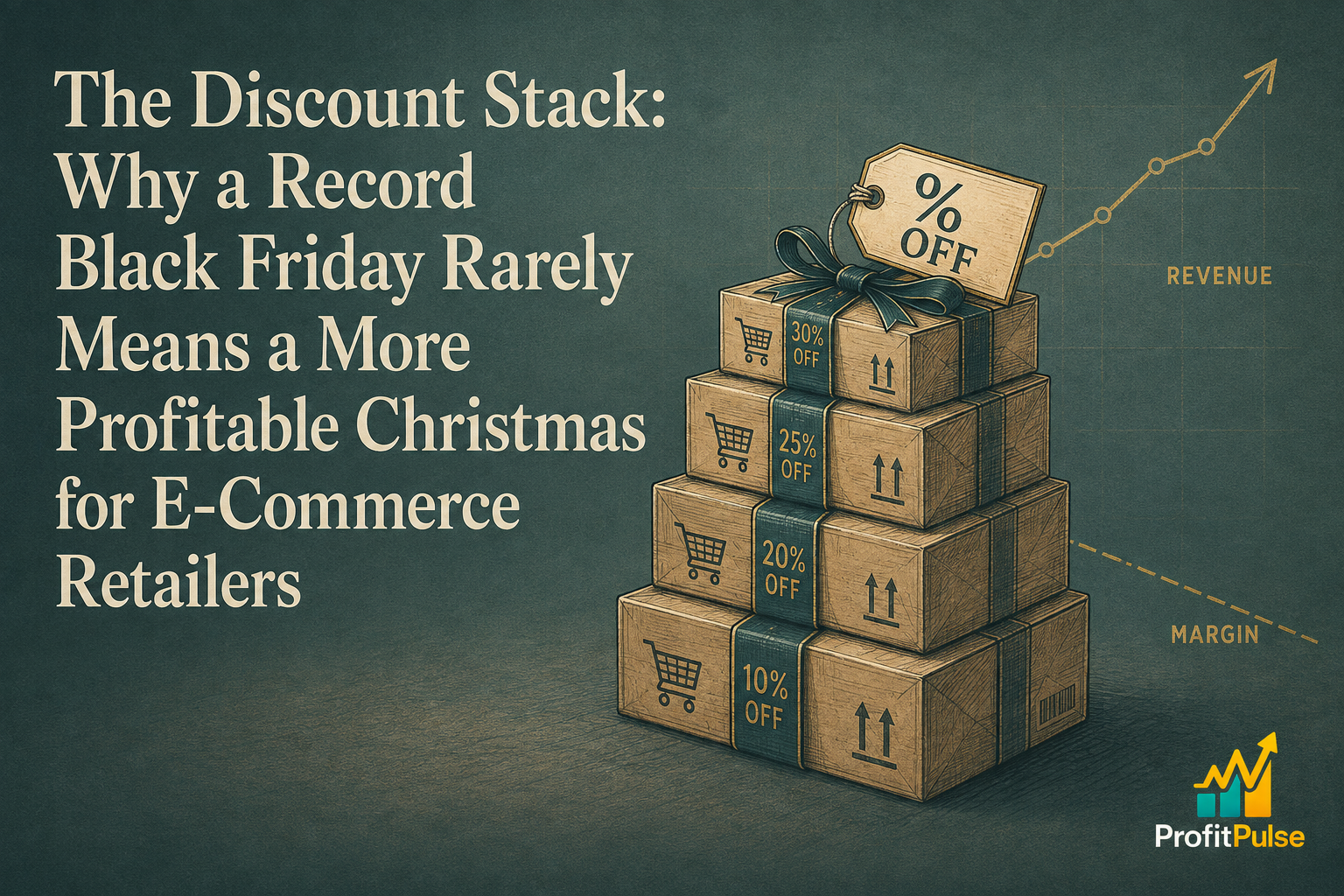
Australian e-commerce retailers are already locking in Black Friday and Christmas trading plans. Revenue targets look strong. The margin underneath them is rarely tested before the sale goes live.

Tradies National Health Month puts the toll of always being on the tools in the spotlight. The commercial pattern behind that toll is a business that cannot run a day without its owner.

Most owners plan a bolt-on acquisition down to the synergy story and treat the funding as an afterthought. The mix chosen, cash, bank debt or vendor finance, decides how much pressure the deal leaves behind.

You already pay a bookkeeper and an accountant, so a fractional CFO can sound redundant. In practice, all three roles answer completely different questions on very different timeframes.

Many owner-led P&Ls look healthy partly because the owner is paid well under market rate for the role. Here is what that gap hides, and why it changes pricing, hiring and growth decisions.